As we approach 2026, the housing market is entering a unique phase: one of gradual transition, measured growth and renewed potential for buyers, sellers and investors who plan with generational wealth in mind. If you’re guiding clients toward “retire in style,” “upsize for life by design” or leveraging real estate for legacy wealth, here’s what to watch and how to position.
1. Home-price growth moderates—but stays positive
After the explosive gains of recent years, the market is shifting into a more sustainable rhythm. According to several forecasts:
-
The National Association of Realtors projects home-price gains of roughly 4% in 2026, following about 3% in 2025. The Close+1
-
Other sources expect house prices to rise in the 2–3% range, and some suggest even flatter or slightly negative territory in certain regions. The Mortgage Reports+2Norada Real Estate+2
So—while you’re unlikely to see double-digit appreciation overnight, the good news is a stable, predictable market that supports lifestyle-driven decisions (think: outdoor kitchens, wellness wings, generational homes) rather than speculative jumps.
2. Sales and mortgage activity pick up momentum
2026 is shaping up as the year that buyer activity rebounds. For example:
-
The Mortgage Bankers Association forecasts purchase-originations rising to around $1.46 trillion in 2026, and total origination up to ~$2.2 trillion. HousingWire
-
Another outlook indicates existing-home sales could rise ~9–10% in 2026 compared to 2025—driven by modest rate relief, improved inventory and better affordability. RealEstateNews.com+1
For your clients, this signals an increasing window of opportunity: buyers who have been on the sidelines may return; sellers seeking lifestyle-upgrades (downsizing, relocating, switching to a vacation-home model) may feel more confident.
3. Mortgage rates remain elevated—but may loosen somewhat
The “affordability ceiling” remains a real constraint. Key insights:
-
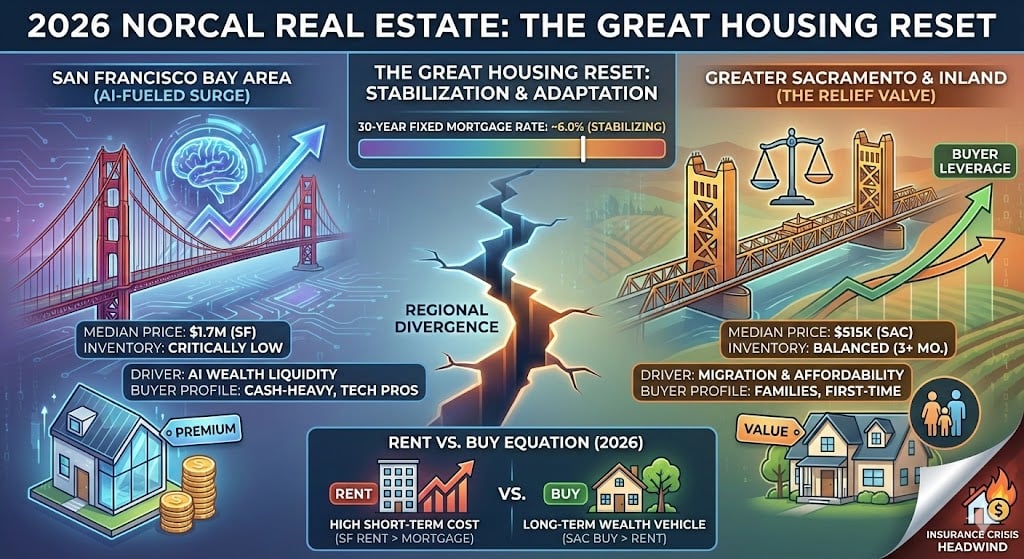
The MBA and others expect 30-year fixed rates to hover around 6% to 6.5% by the end of 2026, not plunging back to the ultra-low levels of earlier years. Investopedia+1
-
That means your lifestyle-driven narratives (“unlocking design-rich homes”, “retire debt-free in your villa”) must account for higher financing costs—but also benefit from the fact that everyone else is still navigating the same headwinds.
In your messaging this year, emphasize how being strategic now (locking in a rate, buying for long-term gain) matters more than chasing short-term windfalls.
4. Inventory slowly improves—but regional variation remains
The supply imbalance that fueled earlier price surges is gradually easing—but unevenly.
-
Experts foresee active listings rising by perhaps 5–10% in 2026, though not jumping to a full buyer’s-market scenario. The Mortgage Reports+1
-
Some markets—especially high-cost coastal or supply-constrained regions—will continue to show tighter stock and minimal price declines. Others (less expensive, more suburban or secondary markets) might experience slight softness.
For your East-Bay, Tri-Valley or California clients, this means your local messaging should highlight scarcity, lifestyle-amenities (golf, pool, lagoon, design finishes), and generational value rather than relying purely on “cheap now” narrative.
5. Lifestyle and generational themes win in 2026
With market conditions flattening out, differentiation comes through lifestyle, experience and value beyond just price. Expect these to be key:
-
Wellness and sustainability features (solar readiness, EV charging, indoor/outdoor flow) are increasingly cited in listings. Better Homes & Gardens
-
Multi-generational design (guest houses, accessory dwelling units, flexible home-office/learning wings) will resonate with buyers planning for “life by design” and generational wealth.
-
Storytelling around “move now, lock-in, design your life” will outperform “get in before prices soar”—because that era is past.
Your marketing tone (“retire in style”, “invest in your lifestyle legacy”, “home as family foundation”) will be very aligned with this.
In summary
2026 is less about hyper-growth and more about smart growth. For buyers, it’s a chance to enter or upgrade with less fear of overheated competition. For sellers, it’s an opportunity to reposition—from legacy home to lifestyle-home, from family estate to retirement retreat. And for you, the narrative of generational wealth, luxury design, and local-wealth-creation resonates more than ever.
Wondering how these trends play out right here in the Tri-Valley/East Bay? Let’s connect and review your ‘lifestyle-by-design’ roadmap for 2026—whether you’re upsizing, downsizing, relocating or building wealth across generations.